- Set Realistic Goals: Encourage readers to set achievable weight loss goals.
- Balanced Diet: Emphasize the importance of a balanced diet with plenty of fruits, vegetables, lean proteins, and whole grains.
- Portion Control: Discuss the significance of portion control to prevent overeating.
- Regular Exercise: Stress the benefits of incorporating regular physical activity into their routine.
- Stay Hydrated: Explain the role of adequate water intake in weight loss.
- Mindful Eating: Promote mindful eating practices to prevent emotional or mindless eating.
- Meal Planning: Share the advantages of meal planning and preparation.
- Support System: Encourage building a support network for motivation.
- Sleep and Stress: Explain how adequate sleep and stress management are vital for weight loss.
- Monitor Progress: Suggest keeping a food and exercise journal to track progress.
- Celebrate Small Wins: Encourage readers to celebrate small achievements on their weight loss journey.
- Seek Professional Advice: Recommend consulting a healthcare professional or registered dietitian for personalized guidance.
Remember to provide evidence-based information and always advise readers to consult with a healthcare professional before making significant changes to their diet or exercise routine.
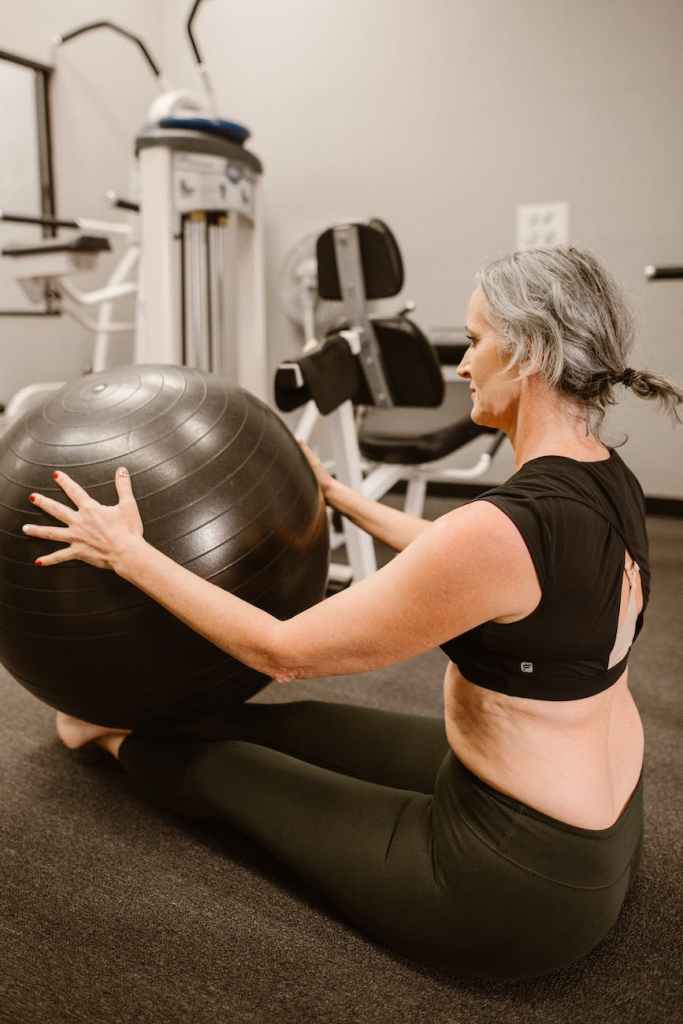
Exercise Tips
- Find an activity you enjoy: Choose a form of exercise you like, whether it’s dancing, cycling, swimming, or something else. This will make it easier to stick with your routine.
- Set clear goals: Define what you want to achieve with your exercise, whether it’s losing weight, building strength, or improving your fitness.
- Start slowly: If you’re new to exercise, begin with low-intensity workouts and gradually increase the intensity and duration over time to avoid overexertion.
- Stay consistent: Consistency is key. Try to establish a regular exercise schedule, and make it a habit.
- Mix it up: Variety in your workouts can prevent boredom and work different muscle groups. Incorporate both cardio and strength training into your routine.
- Warm up and cool down: Always start with a warm-up and end with a cool-down to reduce the risk of injury.
- Listen to your body: Pay attention to how your body feels. If you experience pain or discomfort, modify your routine or consult a fitness professional.
- Stay hydrated: Drink water before, during, and after your workout to stay properly hydrated.
- Get enough rest: Your body needs time to recover. Ensure you get adequate sleep and allow muscles to rest between intense workouts.
- Consider professional guidance: If you’re unsure about your exercise routine, consider working with a personal trainer or fitness expert.

Remember that exercise is most effective when combined with a balanced diet and a healthy lifestyle.and a exercise regiment.
Mental relaxation
How to get mental relaxation
Mental relaxation can be achieved through various methods, including:
- Diet: Emphasizing nutritious, balanced meals with a variety of fruits, vegetables, lean proteins, and whole grains.
- Exercise: Incorporating regular physical activity, such as cardio, strength training, and flexibility exercises.
- Sleep: Promoting sufficient and quality sleep for recovery and overall health.
- Stress Management: Techniques like meditation, yoga, or mindfulness to reduce stress.
- Hydration: Drinking an adequate amount of water daily.
- Avoiding Harmful Substances: Reducing or eliminating tobacco, alcohol, and excessive caffeine or sugar intake.
- Regular Check-ups: Visiting healthcare professionals for regular check-ups and screenings.
- Social Support: Encouraging a supportive network of family and friends.
- Behavioral Changes: Setting achievable goals and making gradual changes to habits.
- Mental Health: Prioritizing mental well-being through relaxation and stress reduction.
- Healthy lifestyle change.
- Meditation: Practice meditation to calm your mind and reduce stress.
- Deep Breathing: Take slow, deep breaths to help relax your body and mind.
- Progressive Muscle Relaxation: Tense and then relax different muscle groups to relieve physical tension.
- Mindfulness: Stay in the present moment, focusing on your sensations and thoughts without judgment.
- Yoga: Engage in yoga to combine physical postures, breathing exercises, and meditation for relaxation.
- Nature Walks: Spend time in nature to clear your mind and reduce stress.
- Visualization: Imagine yourself in a peaceful place or situation.
- Listen to Music: Soothing music can help calm your mind.
- Disconnect from Screens: Reduce screen time to avoid overstimulation.
- Journaling: Write down your thoughts and feelings to release stress.
- Aromatherapy: Use calming scents like lavender or chamomile.
- Limit Caffeine and Alcohol: Reduce the intake of stimulants and depressants.
- Healthy Lifestyle: Eat well, exercise regularly, and get enough sleep.
- Seek Professional Help: If stress or anxiety is persistent, consider therapy or counseling.

Healthy Lifestyle Change Program
Healthy lifestyle change Program
A healthy lifestyle change program typically includes elements like:
Tailoring these components to your specific needs and consulting a healthcare professional can be beneficial for a successful lifestyle change.

 ecovidhealth