
Can healthy lifestyle help against covid
Yes, adopting a healthy lifestyle can help support your immune system and overall well-being, which may reduce the severity of COVID-19 if you were to become infected. Key aspects of a healthy lifestyle include eating a balanced diet, getting regular exercise, managing stress, getting enough sleep, and avoiding tobacco and excessive alcohol consumption. However, it’s important to note that the most effective way to protect against COVID-19 is vaccination and following public health guidelines such as wearing masks, practicing good hand hygiene, and maintaining physical distance when necessary.
how a healthy lifestyle can help against COVID-19:

- Diet: A well-balanced diet rich in vitamins and minerals, especially vitamin C, D, and zinc, can bolster your immune system. Foods like fruits, vegetables, lean proteins, and whole grains can contribute to overall health.
- Exercise: Regular physical activity can improve cardiovascular and respiratory health, which is important because COVID-19 primarily affects the respiratory system. It also helps with weight management and reducing inflammation.
- Stress Management: Chronic stress can weaken your immune system. Techniques like mindfulness, meditation, and relaxation exercises can help manage stress and anxiety.
- Sleep: Getting enough quality sleep is essential for immune function. Aim for 7-9 hours of restful sleep each night.
- Avoid Smoking and Excessive Alcohol: Smoking can damage the respiratory system, making it more vulnerable to infections. Excessive alcohol consumption can weaken the immune system, so moderation is key.
- Hydration: Staying well-hydrated is important for overall health and can support your body’s immune response.
It’s important to remember that while a healthy lifestyle can help your body’s resilience, the best defense against COVID-19 is vaccination and following public health guidelines, especially in areas with high transmission rates. Additionally, consult with a healthcare professional for personalized advice on maintaining healthy lifestyle can support your immune system and overall health in the context of COVID-19:
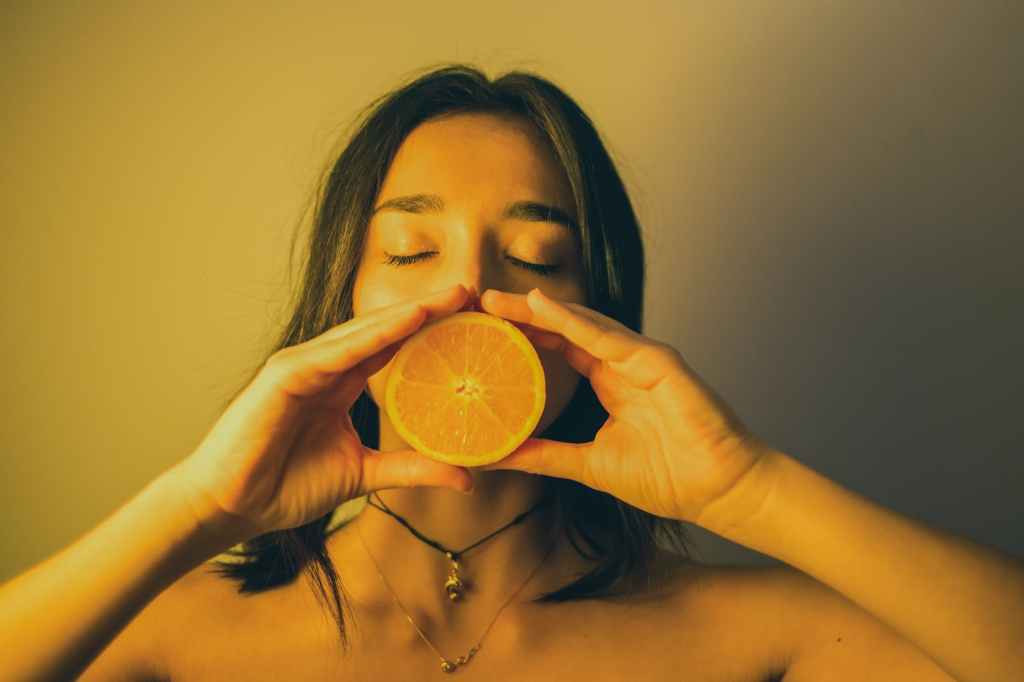
- Diet:
- Consuming a variety of fruits and vegetables provides essential vitamins, minerals, and antioxidants that help protect your cells and support immune function.
- Foods high in vitamin C (e.g., citrus fruits) and vitamin D (e.g., fortified dairy products) are particularly important for immune health.
- Zinc, found in foods like nuts, seeds, and whole grains, is also crucial for immune system function.
- Exercise:
- Regular physical activity has various benefits, such as improving circulation and reducing inflammation. This can enhance your body’s ability to respond to infections.
- Walking: A simple and effective way to stay active.
- Running: A high
- Running: A high-impact cardiovascular exercise that helps improve endurance.
- Swimming: Provides a full-body workout and is easy on the joints.
- Cycling: Great for cardiovascular fitness and leg strength.
- Strength Training: Includes weightlifting and bodyweight exercises for muscle development.
- Yoga: Enhances flexibility, balance, and relaxation.
- Pilates: Focuses on core strength and flexibility.
- Dancing: A fun way to stay active, with various styles like salsa, ballet, or hip-hop.
- Hiking: Combines exercise with outdoor exploration.
- Team Sports: Engage in sports like soccer, basketball, or volleyball for social fitness.
- Martial Arts: Options like karate, judo, or taekwondo offer physical and mental benefits.
- Aerobics: Includes activities like aerobics classes, Zumba, or step aerobics.
- Tai Chi: Promotes balance, coordination, and relaxation.
- Gardening: A productive and physical outdoor activity.
- Playing with Pets: Activities like playing fetch with dogs keep you active.
- Calisthenics: Bodyweight exercises such as push-ups, squats, and planks.
- Rowing: An excellent full-body workout.
- CrossFit: High-intensity functional fitness training.
- Rollerblading: A fun way to exercise and improve balance.
- Rock Climbing: Challenges both physical and mental strength.
- Remember to choose activities that you enjoy, as it’s more likely you’ll stick with them for the long term.
- Exercise is known to release endorphins, which can help alleviate stress and improve mood, contributing to overall well-being.
- Stress Management:
- Improved Mental Health: Managing stress can reduce anxiety, depression, and other mental health issues.
- Enhanced Physical Health: It can lower the risk of stress-related illnesses like heart disease and high blood pressure.
- Better Sleep: Reduced stress can lead to improved sleep quality and duration.
- Increased Productivity: Managing stress helps you focus better and be more productive.
- Stronger Immune System: Lower stress levels can boost your immune system.
- Better Relationships: Reduced stress can lead to improved interpersonal relationships.
- Enhanced Coping Skills: You’ll develop better strategies to deal with life’s challenges.
- Increased Happiness: Stress management can lead to a happier and more positive outlook on life.
- Weight Management: Stress management can help prevent emotional eating and weight gain.
- Longevity: Lower stress levels are associated with a longer and healthier life.
- Remember that effective stress management techniques can vary from person to person, so it’s essential to find what works best for you.
- Sleep:
- Adequate sleep is vital for a well-functioning immune system. During sleep, the body repairs and regenerates cells, and the immune system is particularly active.
- Lack of sleep or poor sleep quality can make you more susceptible to infections.
- Restoration: It allows the body to repair and regenerate tissues, muscles, and bones.
- Memory and Learning: Sleep enhances memory consolidation and aids in learning.
- Mood Regulation: It helps regulate emotions and reduce stress.
- Physical Health: Quality sleep supports a healthy immune system and lowers the risk of chronic diseases.
- Cognitive Function: It boosts cognitive functions like problem-solving and creativity.
- Energy and Alertness: A good night’s sleep results in increased energy and alertness during the day.
- Weight Management: Lack of sleep can affect hormones that control appetite and lead to weight gain.
- Heart Health: It plays a role in maintaining a healthy heart and blood pressure.
- Mental Health: Insufficient sleep can contribute to anxiety and depression.
- Overall Well-Being: Adequate sleep is crucial for overall physical and mental well-being.
- To enjoy these benefits, it’s recommended that adults aim for 7-9 hours of quality sleep per night.
- Avoiding Smoking and Excessive Alcohol:
- Smoking damages the respiratory system, making it more susceptible to infections, including COVID-19. Quitting smoking can improve lung health.
- Excessive alcohol consumption can disrupt the balance of immune cells and weaken the body’s defense mechanisms.
- Hydration:
- Staying properly hydrated is essential for many bodily functions, including maintaining the balance of bodily fluids and supporting the function of immune cells.
While these healthy lifestyle practices can bolster your immune system and overall health, it’s important to emphasize that they are not a substitute for vaccination and public health measures to prevent COVID-19. Vaccination remains the most effective way to reduce the risk of severe illness and transmission of the virus. Always consult with healthcare professionals for personalized advice and guidance on maintaining a healthy lifestyle during the pandemic.

 ecovidhealth