In today’s fast-paced world, maintaining a healthy lifestyle is crucial, and one key aspect of that is managing blood sugar levels. Whether you’re dealing with diabetes or simply aiming for overall well-being, understanding blood sugar is essential. Let’s delve into the intricacies of blood sugar and explore effective ways to keep it in check.
What is Blood Sugar.

Blood sugar, or glucose, is a type of sugar that circulates in our bloodstream and serves as the primary source of energy for our cells.The body tightly regulates blood sugar levels to ensure a balance between energy supply and demand.
The Role of Insulin:

Insulin produced by the pancreas, plays a pivotal role in regulating blood sugar. It facilitates the absorption of glucose by cells, reducing blood sugar levels.Insulin resistance, a condition where cells don’t respond effectively to insulin, can lead to elevated blood sugar levels and eventually diabetes
Foods with a high glycemic index

(GI) cause a rapid spike in blood sugar levels. It’s essential to be mindful of your diet, favoring low-GI foods for stable energy release.Examples of low-GI foods include whole grains, vegetables, and legumes.
Impact of Lifestyle on Blood Sugar:

Regular physical activity helps control blood sugar levels by improving insulin sensitivity. Aim for a combination of aerobic exercise and strength training.Stress management is crucial as stress hormones can elevate blood sugar. Incorporate relaxation techniques into your routine, such as meditation or deep breathing.
Healthy Eating Habits:

This helps in making informed decisions about diet, medication, and lifestyle adjustments.Continuous glucose monitoring (CGM) devices provide real-time data, offering a more comprehensive view of blood sugar fluctuations.Adopt a balanced diet with a focus on whole foods, lean proteins, and complex carbohydrates.Portion control is vital to prevent overloading your system with excess glucose.
Monitoring and Testing:
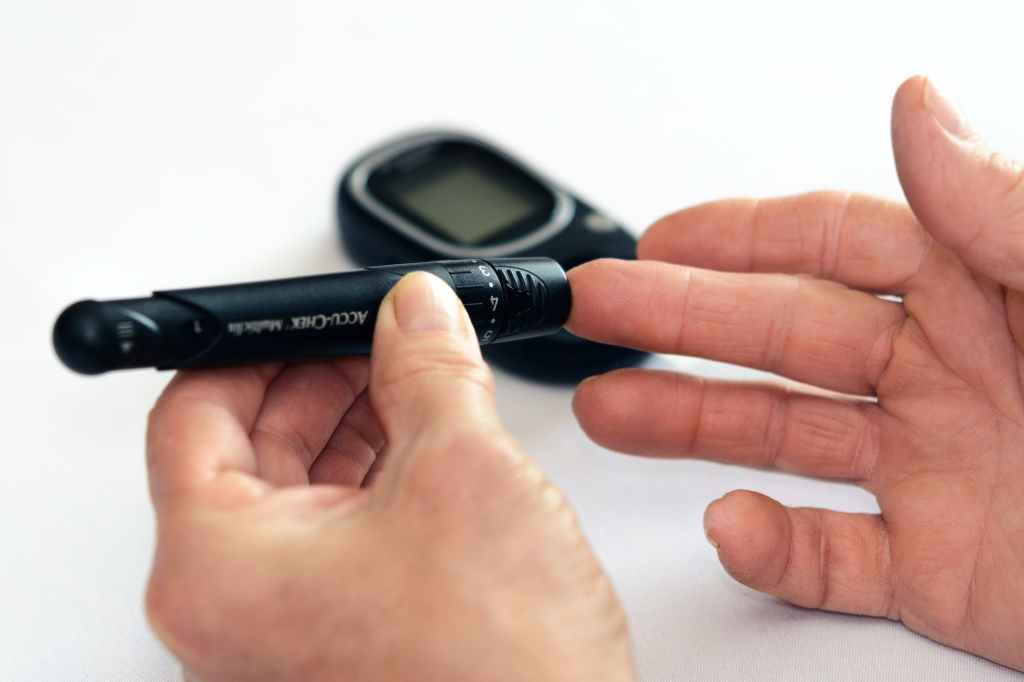
Regular monitoring of blood sugar levels is crucial for individuals with diabetes. This helps in making informed decisions about diet, medication, and lifestyle adjustments.Continuous glucose monitoring (CGM) devices provide real-time data, offering a more comprehensive view of blood sugar fluctuations.
Medication and Treatment:

For those with diabetes, medication may be prescribed to manage blood sugar levels. It’s important to follow prescribed regimens and consult healthcare professionals regularly.Lifestyle modifications, including dietary changes and exercise, often complement medication for effective blood sugar control.
Conclusion
In conclusion, maintaining optimal blood sugar levels is a cornerstone of good health. By understanding the factors that influence blood sugar and adopting healthy lifestyle habits, individuals can take proactive steps to manage and improve their overall well-being. Regular monitoring, a balanced diet, and an active lifestyle contribute to a harmonious relationship with blood sugar, promoting longevity and vitality.
 ecovidhealth